
Another of the winners in the 1st year of Farma živá is Vinárstvo Michala Bažalíka.
Young winemaker Michal Bažalík farms with his family in the vineyards of the well-known Little Carpathian wine region. He grows traditional old varieties, but part of the vineyard is planted with newer, so-called PIWI varieties, whose advantage is greater resistance to the most serious fungal diseases of the vine. Selecting and testing these varieties in local conditions makes it possible to reduce the number of fungicide treatments in the vineyard, which can run to dozens a year. Growing vines on the slopes of Svätý Jur is a traditional form of land use. Yet Víno Bažalík shows that even winegrowing methods settled and refined over centuries can be approached in a new way.

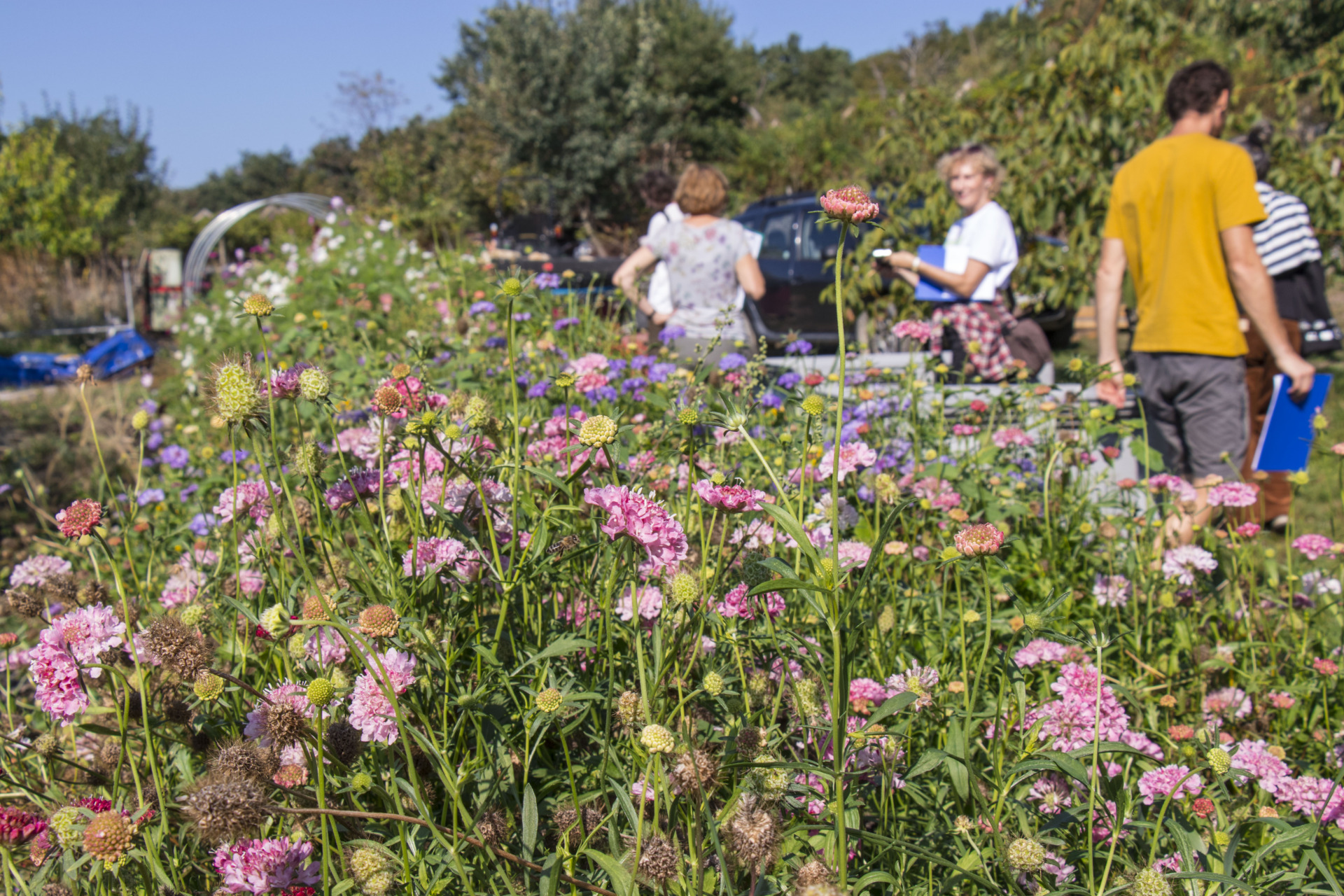
What is typical of this farm is how it makes the most of the landscape it sits in. The owners let visitors get to know the genius loci of the Little Carpathians in body and soul. The hosts are no beginners in tourism. Vineyards on the stony slopes of the Little Carpathians and (not only) Ryšavé wines served in a Renaissance house on the square in Svätý Jur. Add to that accommodation in the Dubodom, set in the crown of an old oak in the middle of the vineyards. It is an experience to satisfy even a discerning bon vivant. The beauty of the place is enhanced by small details, such as little black sheep grazing between the rows under the high arch of vines, or beds of flowers grown for bouquets in a small garden by the house. The flowers are the result of the farmer's wife's project – Divozel, which aims to bring locally and organically grown flowers to market.
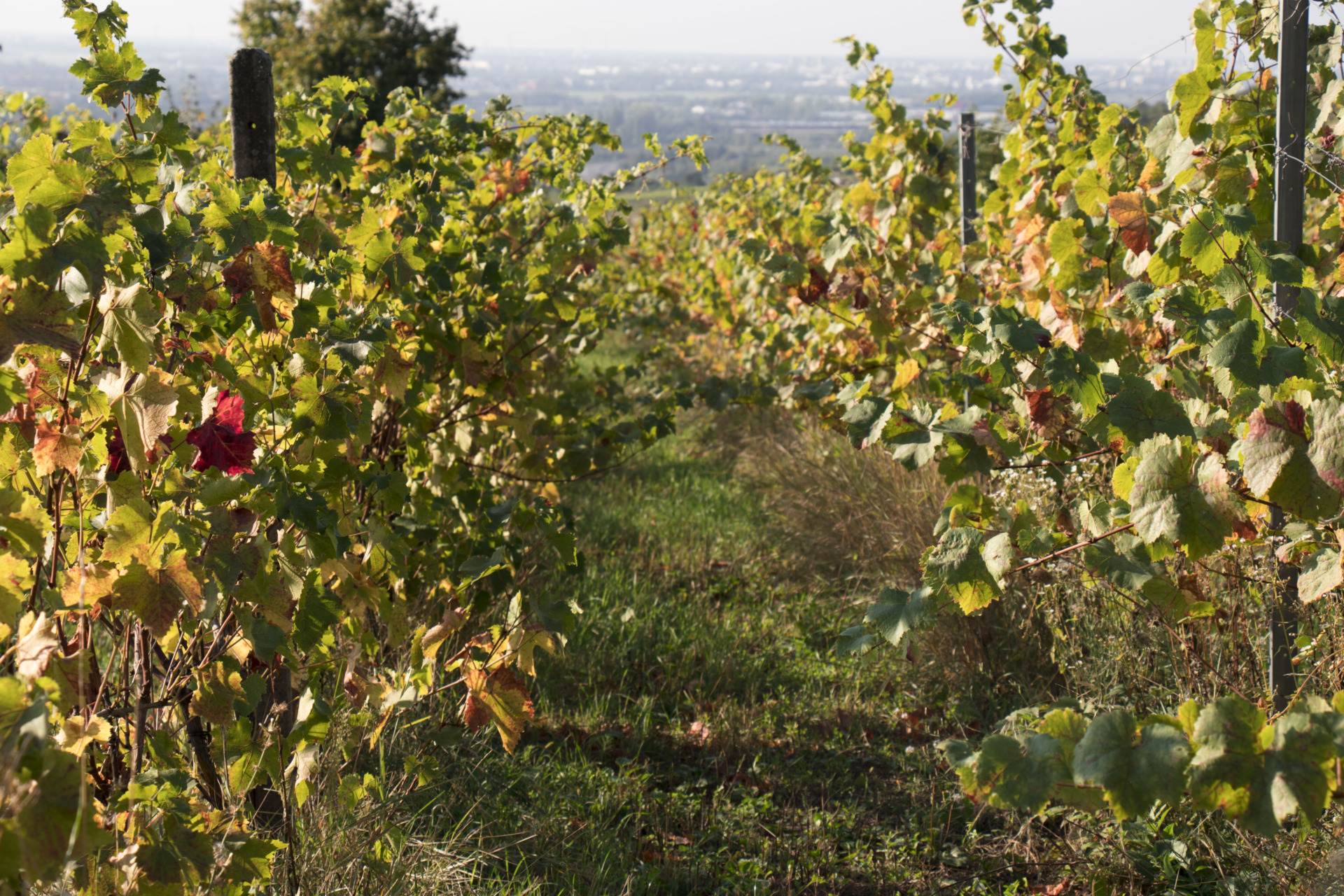
Fruit trees are gradually being planted in the vineyard to support the vines and enrich both the landscape and people's taste buds. The collection of PIWI vine varieties, intended for testing and selecting suitable varieties, can also serve as a place to test visitors' powers of observation. Each variety “behaves” differently and it is interesting to notice the differences between the rows. A surprise is in store on the newly bought plots on Nová hora, which are set to become a real treat for landscape lovers.
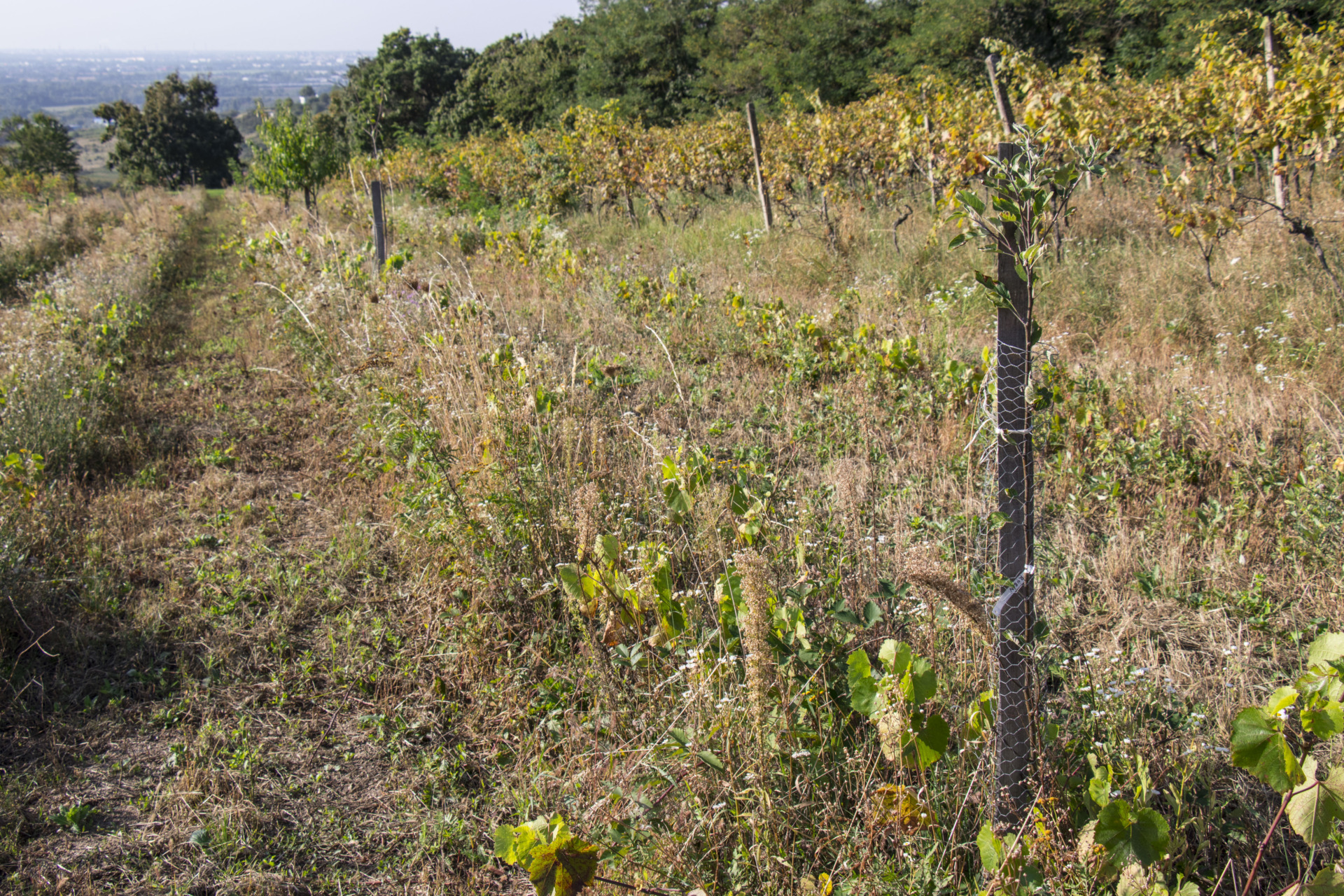
Vinár Bažalík's land, farmed without chemical protection, is partly owned and partly rented. The farm is in its first year of conversion to organic farming. The old, conventionally managed parts are dominated by the Silvaner variety. About 1ha has been newly planted with a collection of PIWI varieties. Here the trunks are trained high – 1.3m, so that in time sheep can be used to graze between the rows and nibble the shoots on the trunks. At the ends of the plots there are stone piles (rúny) - heaps of stones gathered from the vineyard, overgrown with self-seeded vegetation and providing shelter for wild vertebrates and invertebrates. The whole approach is about finding balance. Balance in how to work the shallow, stony soil: when to turn it and when not; what to sow between the rows so that it supports the vines and at the same time survives the pressure of native species. These experiments go against the established tradition that a young vineyard must be hoed often so that weeds do not weaken the vines. Everything suggests that the vines benefit from “a hard start”. The first shoots are short, but they have dense tissue and so provide a good foundation for future years or even decades of growing. They also seek balance in keeping and planting fruit trees. Should they use old varieties, or varieties and species that can cope with a changing climate? Should they use trees to produce timber? But if a seedling appears in a suitable spot, they graft it to a cultivated variety without removing it from the ground.
Along the way, a unique landscape feature was created – a vine tunnel grazed by sheep. The vines are trained on high trunks, with the shoots led onto a structure about 2.5 m high that forms an arch, under which a small flock of small black Ouessant sheep grazes. The plan is eventually to work out a rotation for the flock across the different sections of the vineyard. The whole area is of course fenced and thus protected from wild game. The dream is to replace the tractor completely with sheep. In time they will also provide wool and meat for home use.
The more visible product, and the one most people find attractive, is what comes from the grapes. Here too there is a clear effort to do things differently. The range includes wines made using a variety of methods based on natural processes. Part of the production is even sold “packaging-free” in returnable bottles. The business takes part in public events (Chute Malých Karpát and others) and has its own website and online shop. You can also taste the young winegrowing family's products in an exceptionally pleasant and charismatic setting, in the historic rooms of the Renaissance house.

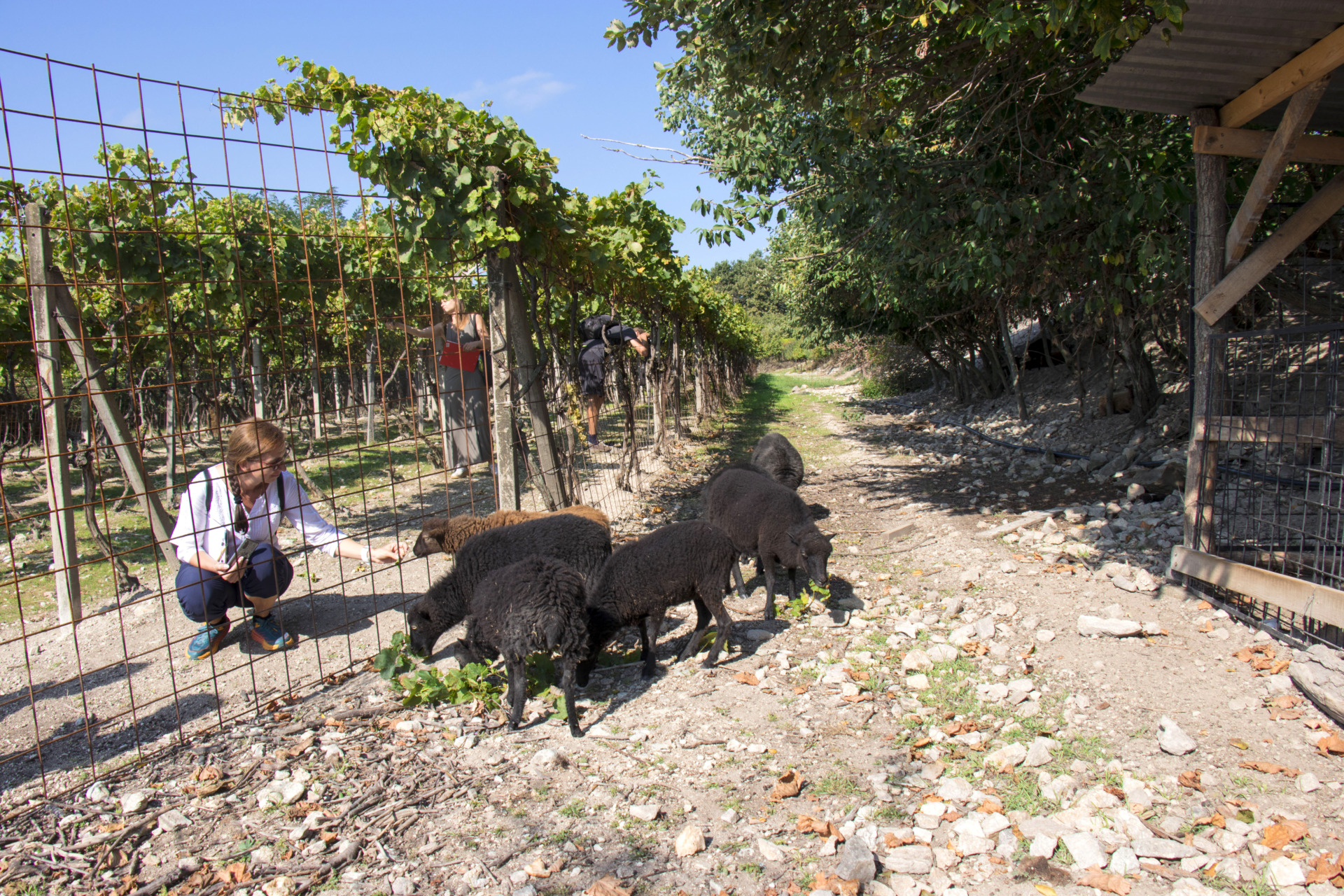
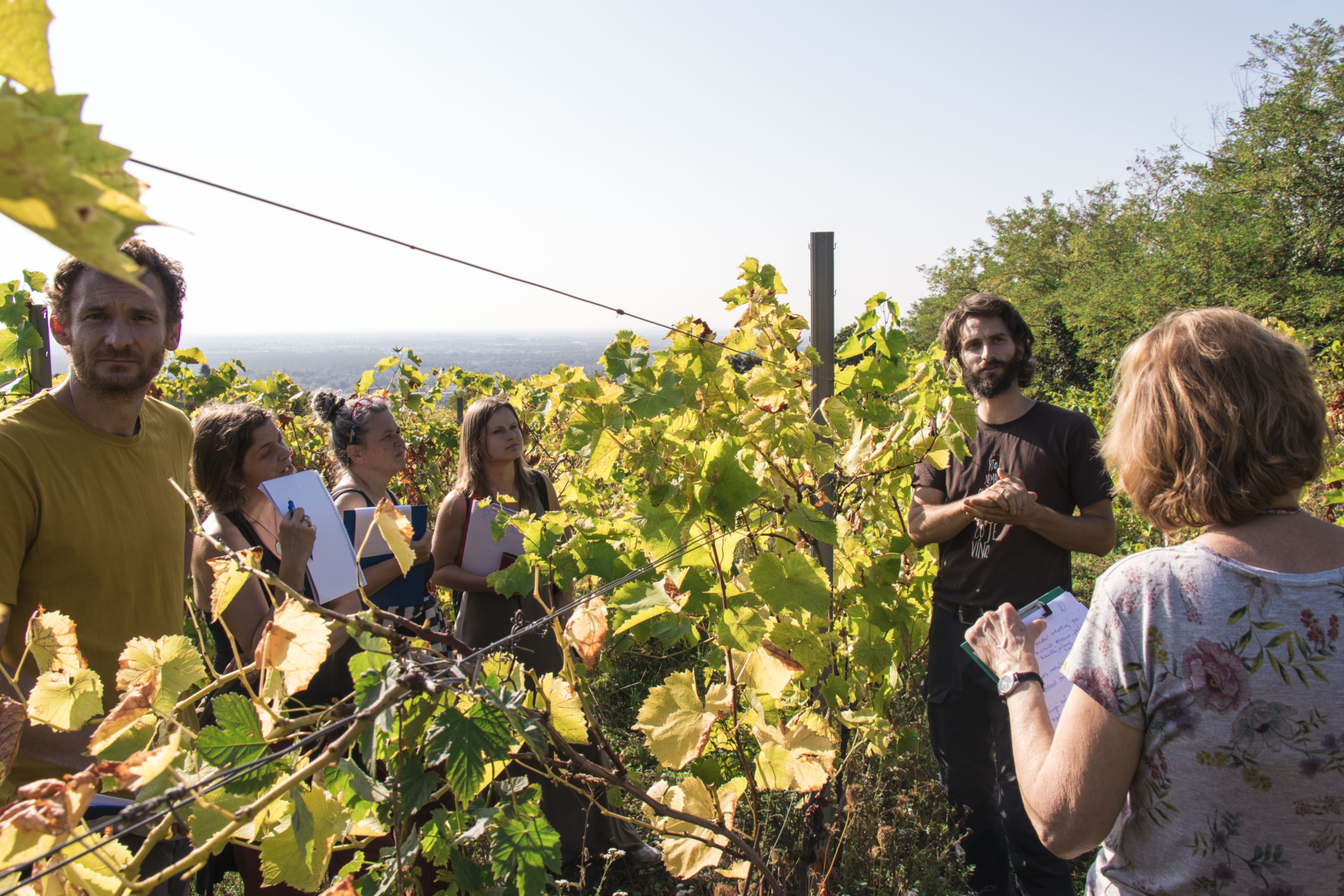
As Lucia Baľáková, a member of our Farma živá panel, summed up the visit: The ideal pairing of animals and vines benefits not only the soil but also the surrounding countryside, while making it possible to produce wine of unique quality and flavour.
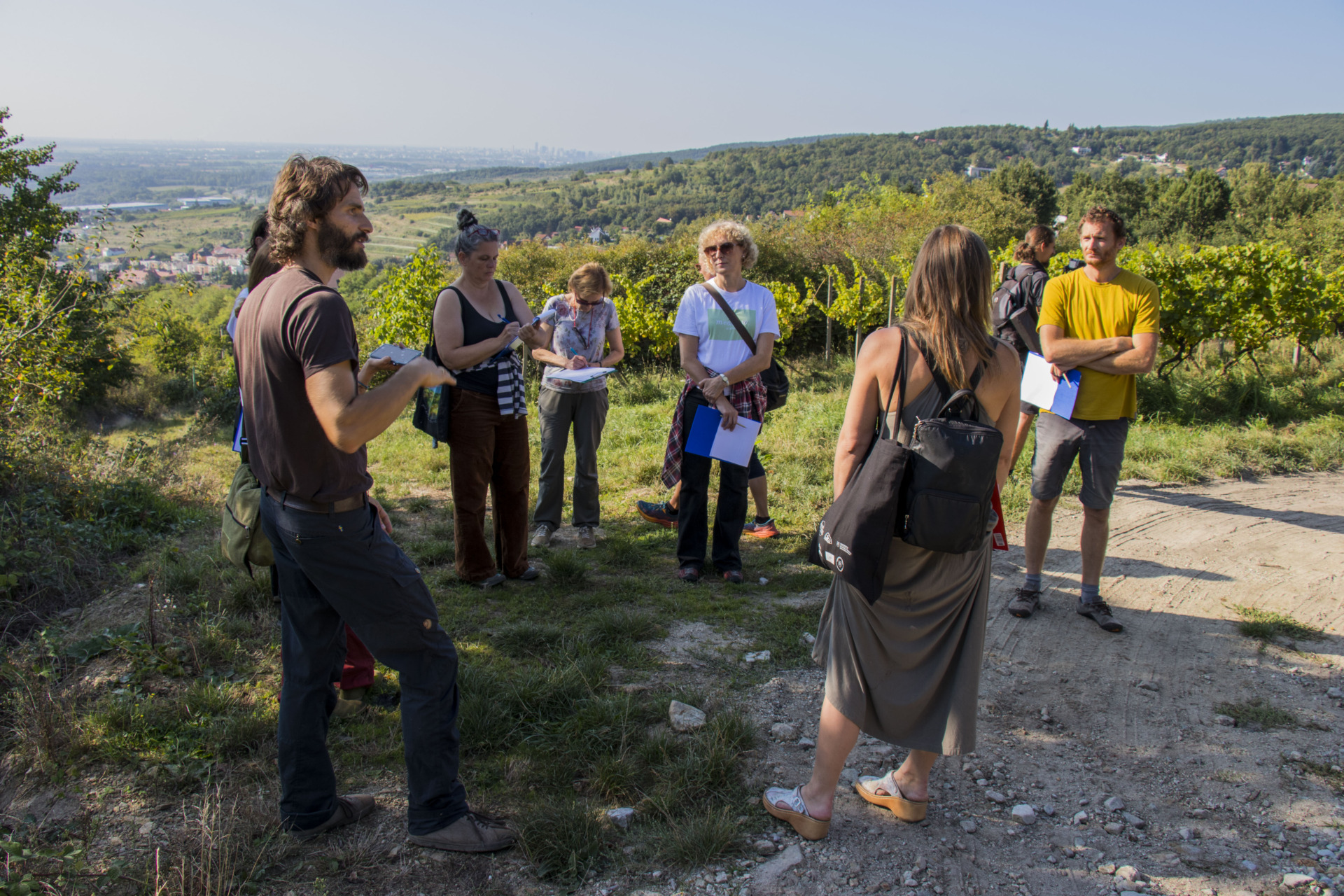
The Krajina živá programme was financially supported by VÚB banka.


