
The Farma živá award-winning family goat farm on Vlčí Vrch, in the heart of the White Carpathians, represents for many the ideal relationship between people – farmers and the landscape. Years ago Ivana Kodajová and her partner Max discovered this highest-lying hillside settlement of Horná Súča and decided to live here.
The landscape cast its spell on them. At first they kept animals just for their own needs. By chance their paths crossed with conservationists just as work was starting to restore several neglected areas to protect certain butterfly species. This is exactly where goat grazing is the ideal solution. The more they understood how the landscape works, the bigger their herd of goats grew. Today there are almost 70 milking goats, as well as a billy goat, kids, young and old goats. The husbandry is close to the animals' natural needs. After many years of management by the State Nature Conservancy, White Carpathians PLA Administration, which stepped in for the missing work of farmers, they picked up the broken thread of traditional land management. So the goats from Vlčí Vrch graze in a protected landscape area, including on rare and exceptionally species-rich White Carpathian meadows. They directly help maintain high biological diversity.
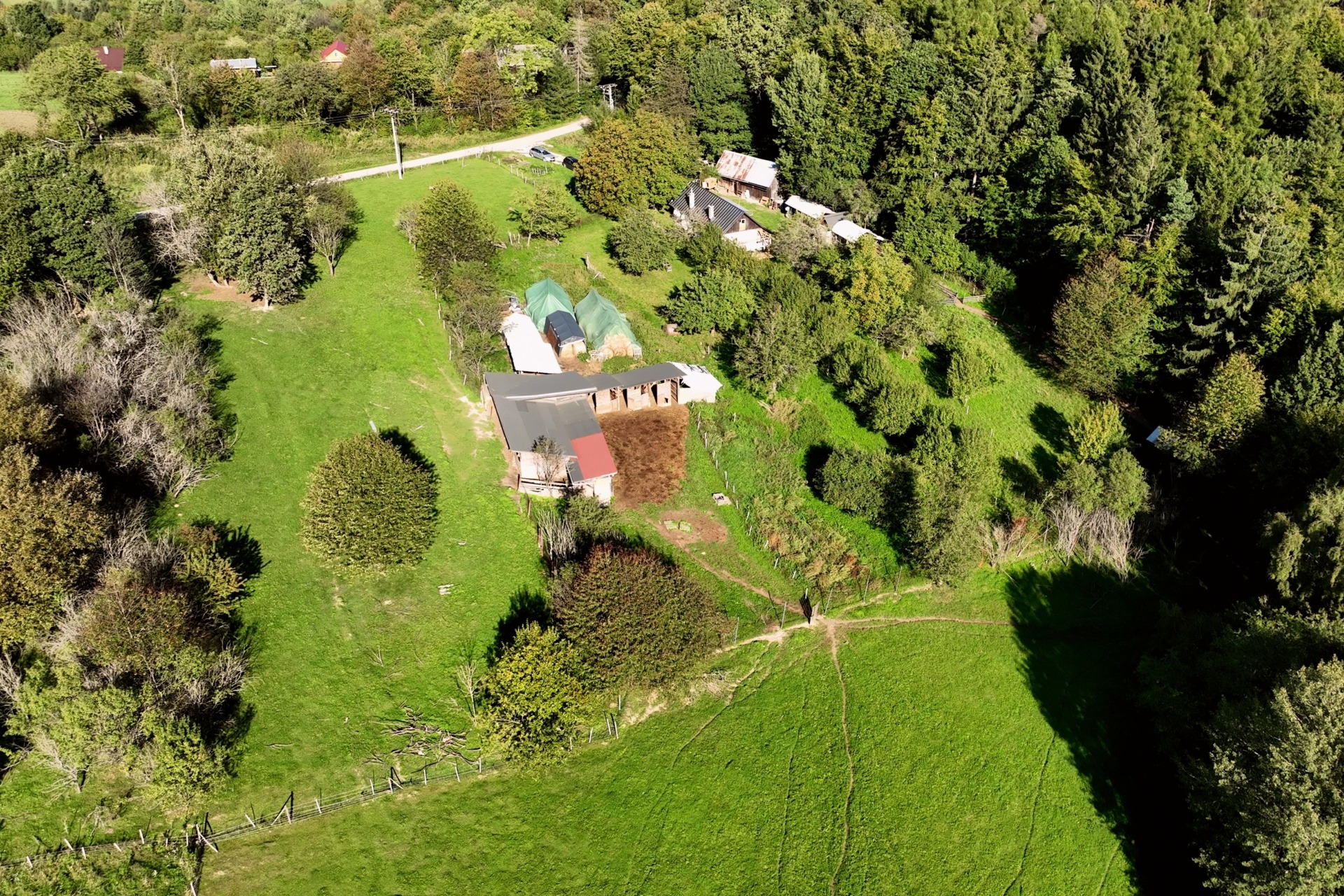
Ivana grazes an area of around 13 ha. It is divided into 5 pastures and grazed according to different criteria. She also grazes very valuable sites, the Stehlíkovské SCI and Lipníkovské SCI. These are home to endangered large blue butterflies of the genus Maculinea, whose development depends on great burnet. That is why the goats are kept off these sites while the great burnet is flowering and setting seed. This sensitive approach is obvious at first sight. The variety of our landscape and its rich diversity is often tied to places where people live with the land at a slower pace, as our ancestors once did. They shaped the face of the landscape that we also know from the White Carpathians. Kozia farma Vlčí vrch is one of the farms thanks to which the rarest meadows around Horná Súča are full of flowers.


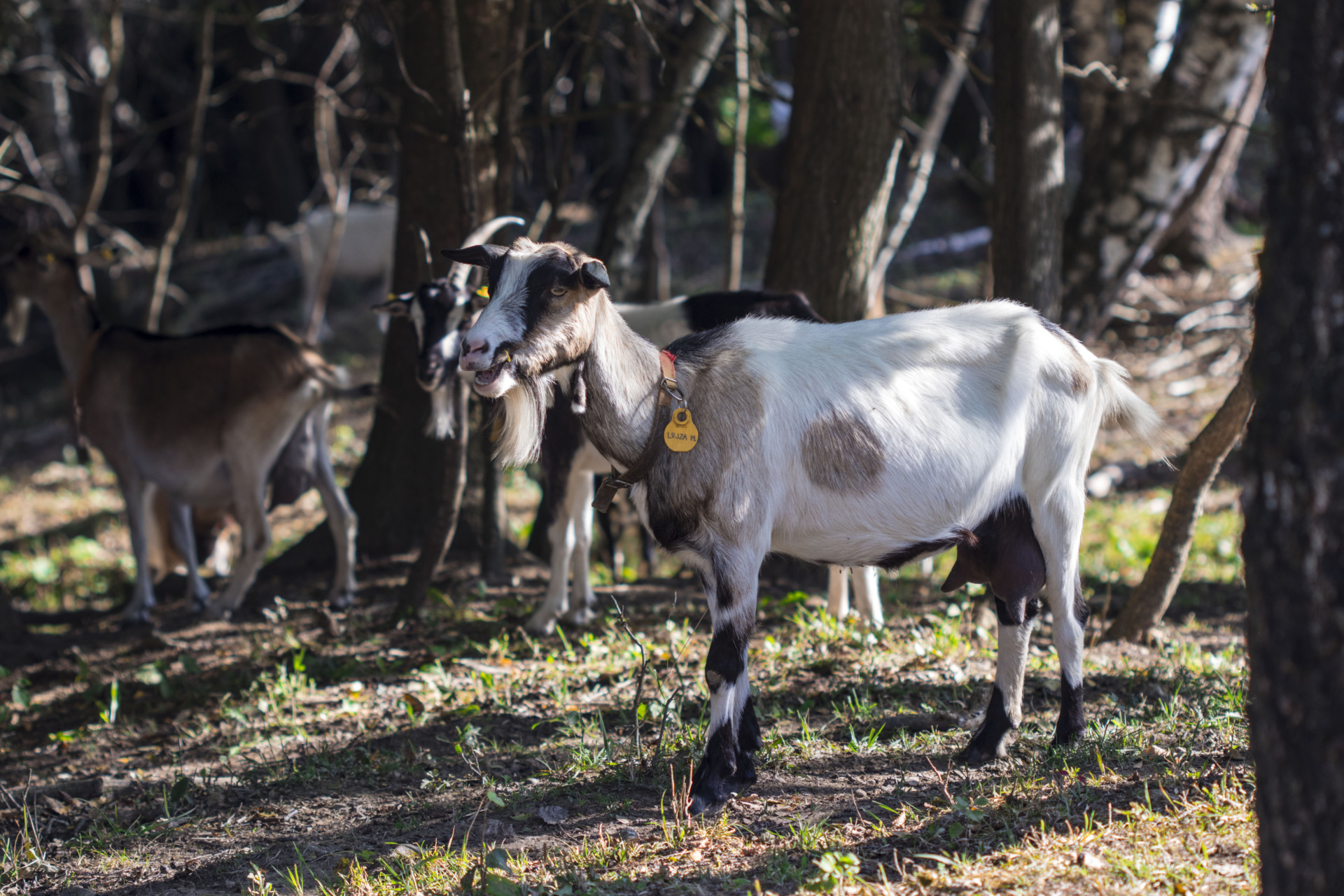
The farm makes 12 kinds of goat products. It has regular customers, and every Friday it delivers towards Trenčín, stopping in several villages on the way. You can truly feel the love for animals here. The owners chose their first goats more for their “beautiful eyes” than for good milk yield. That is why they also have goats “with touching stories, heart-melting looks and no pedigree”. There is even a goat that was born prematurely and at first needed almost motherly care from Ivana. The goats graze freely all day on herbs, grass and flowers, so their milk does not have such a strong goaty taste. In the skilled hands of the farmers, delicacies are made here such as goat's curd, several kinds of aged cheese, and also “kozia brandza” and “vlčina”, versions of classic cow's milk products, but in a healthier form.
For today's farmers, though, this life is also quite demanding. Small family farms are in many ways subject to similar rules as the big ones. Ivana is lucky: in her former profession as a landscape architect she worked on projects for over 15 years and has experience with public procurement and other similar challenges. Even so, the paperwork that comes with farming is sometimes hard for her too. Free state support, as found in a number of other countries, would be a huge help. At present, small farmers who mainly want to keep animals and make cheese often cannot manage the paperwork themselves or lack the time, and have to spend a considerable part of their subsidies on professional help. Farmers in protected areas would benefit from better communication between the State Nature Conservancy and the PPA. Such changes to the system would make work and life easier for many people who shape our landscape.


When Ivana started making cheese on Vlčí vrch, she took a professional cheesemaking course. As a farmer she is still learning and continuing her education. But she also sees an advantage in coming to farming from another field and so being less tied to many conventional, established practices. These have been used for years, but many of them are now being reconsidered, especially in organic farming. One such topic is deworming. At Kozí vŕšok, deworming is not done across the board but individually, based on clinical signs. Animals born on the farm are adapted to local conditions and have fewer problems with parasites. In some herds, doses of dewormers for goats are set across the board in the same way as for sheep. But this is not the right approach. With a wrongly set dose, parasites that are resistant, meaning they no longer respond to any commonly used substances, survive in the animal. The specific substances used to deworm grazing animals also matter, especially for the stability of the local ecosystem. The well-known Ivermectin is banned in dairy herds because it leaves lifelong residues in milk. Yet it is still used, even though its impact on the entire food chain and insect diversity is undesirable.

Another interesting point is the preventive use of certain natural remedies. On Vlčí vrch the farmers make the goats a drink from sweet chestnut to make them more resistant to parasites. Oak acorns and other plants rich in tannins also work well. If you are interested in the topic of proper deworming in more depth, you can take a look at a recording of last year's seminar, organised by Krajina živá.
Finally, we would like to thank VÚB banka for supporting the Krajina živá programme.

The Krajina živá programme was financially supported by VÚB banka.


